
ESTATE AND TRUST
EXPERT WITNESS
The Engineering-Grade Standard for Trust & Estate InvestigationsFor attorneys representing beneficiaries, heirs, trustees, and executors in disputes where the outcome depends on evidence — not assumption. We identify the decisive facts in fiduciary duty, capacity, and asset disputes before opposing counsel does.
Confidential Review.
No obligation.
Trust and estate disputes
are rarely decided by the will.
They're decided by the evidence behind it.

A trustee's decisions, an executor's accounting, a sudden change in beneficiary designation, a will signed under questionable circumstances — the facts that actually determine these cases are buried in financial records, correspondence, timelines, and administration histories that most attorneys don't have the resources to fully unpack.
The risk is not a lack of legal strategy. The risk is discovering the critical fact — the breach, the self-dealing transaction, the capacity issue — after opposing counsel already has.
The strongest trust and estate cases are built before the deposition, not during it.
We Look for the Fact That Changes the Case
Not every record matters equally. Our investigation is built to find the evidence that actually determines the outcome — then verify it until it's defensible.

Step 1 — Identify the Decisive Issue
Every trust or estate dispute contains one fact pattern that matters most: a breach of fiduciary duty, a self-dealing transaction, evidence of undue influence, or a failure to administer the trust according to its terms. We identify that issue first, rather than accumulating records without direction.
Step 2 — Build the Evidence Hierarchy
Decisive Evidence: Breach of fiduciary duty, self-dealing, imprudent investment decisions, undue influence indicators, failure to follow trust or will terms.
Supporting Evidence: Financial records, transaction histories, correspondence, appraisals, accounting statements.
Contextual Evidence: Family history, prior relationships, administration practices, communication patterns.
Background Information: Helpful context that informs but does not change the conclusion.


Step 3 — Investigate the System, Not Just the Individual
Breaches rarely happen in isolation. We examine the administration process as a whole — what oversight existed, what standard applied, and where it broke down — so conclusions hold up under scrutiny.
Step 4 — Stay Within the Evidence
Every opinion remains within the applicable standard of care and the expert's qualifications. Conclusions are built on financial records, fiduciary standards, and documented conduct — not speculation about intent.

Built for Attorneys on
Both Sides of Fiduciary Disputes

Primary:
- Trust & Estate Litigation Attorneys
- Attorneys Representing Beneficiaries and Heirs
- Probate Litigation Attorneys
- Elder Law Attorneys
Secondary:
- Trustees and Executors Defending Their Administration
- Corporate Fiduciaries and Trust Companies
- Estate Planning Attorneys Facing a Will or Trust Contest
Findings That Hold Up Under Cross-Examination
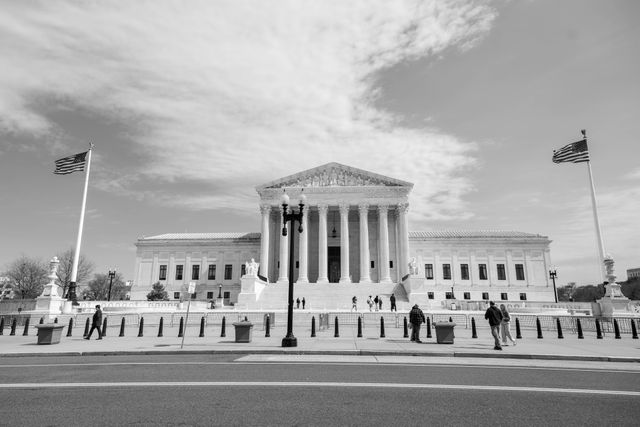
Our conclusions are built to survive scrutiny years after they're written. We have combined fiduciary and financial investigation experience. Trust and estate matters are highly supported. Reports built on documented standards, verifiable records, and defensible methodology — not assumption.
Expert Witnesses Serve the Truth.
Not the Client. Not the Outcome.

Our conclusions are not shaped to fit a legal strategy. If the evidence supports your position, we explain why. If it doesn't, we explain that too. Independence is not a limitation — it's what makes a report defensible under cross-examination and durable through appeal.
We do not offer opinions beyond the evidence, and we do not offer opinions beyond our qualifications. When a question falls outside fiduciary or financial analysis, we say so.
What Attorneys Ask Before Retaining Us

Q: How quickly can you get up to speed on a new matter?
Trust and estate matters often move quickly once a dispute is filed. We prioritize identifying the decisive issue early so your case strategy isn't waiting on a lengthy review process.
Q: Will your findings hold up under a Daubert or Frye challenge?
Every conclusion stays within the applicable standard, the available evidence, and the expert's qualifications. Reports are built to be defensible under scrutiny, not just persuasive on first read.
Q: What if the evidence doesn't support our position?
We tell you. Our responsibility is to the evidence, not the outcome — which is exactly what makes a favorable finding credible when we do reach one.
Q: Do you work with trustees and executors, or only beneficiaries?
Both. We evaluate the administration of the trust or estate objectively, regardless of which side retained us.
Know What the Evidence Shows
Before the Other Side Does
Submit the details of your matter for a confidential, no-obligation review. We'll identify whether there's a decisive engineering or fiduciary issue worth investigating — and what it would take to develop it into a defensible finding.